Exploring the Significance of Information Destruction in the Context of Computer Safety Services and Protecting Confidential Data
In an era where data breaches are progressively usual, the value of effective information damage can not be overemphasized. What approaches can organizations carry out to boost their information destruction protocols?
Understanding Data Damage
Information destruction is an essential component of computer safety and security that entails the permanent removal of information from storage gadgets to stop unauthorized access and prospective information breaches. In an increasingly electronic landscape, companies deal with enhanced threats connected with sensitive details being incorrectly accessed or manipulated. Effective data destruction safeguards versus these hazards, making sure that personal dataâEUR" such as client info, copyright, and financial recordsâEUR" can not be recuperated after disposal.
Comprehending the importance of data destruction extends past mere compliance with regulative and lawful structures; it is essential for preserving business integrity and trust. When data is poorly managed or inadequately ruined, the effects can be serious, including financial loss, reputational damage, and legal liabilities.
Approaches of Information Elimination
One prevalent approach is information cleaning, which includes overwriting existing information with random patterns numerous times. This technique provides the initial information irretrievable, making it a preferred choice for organizations seeking to protect personal information.
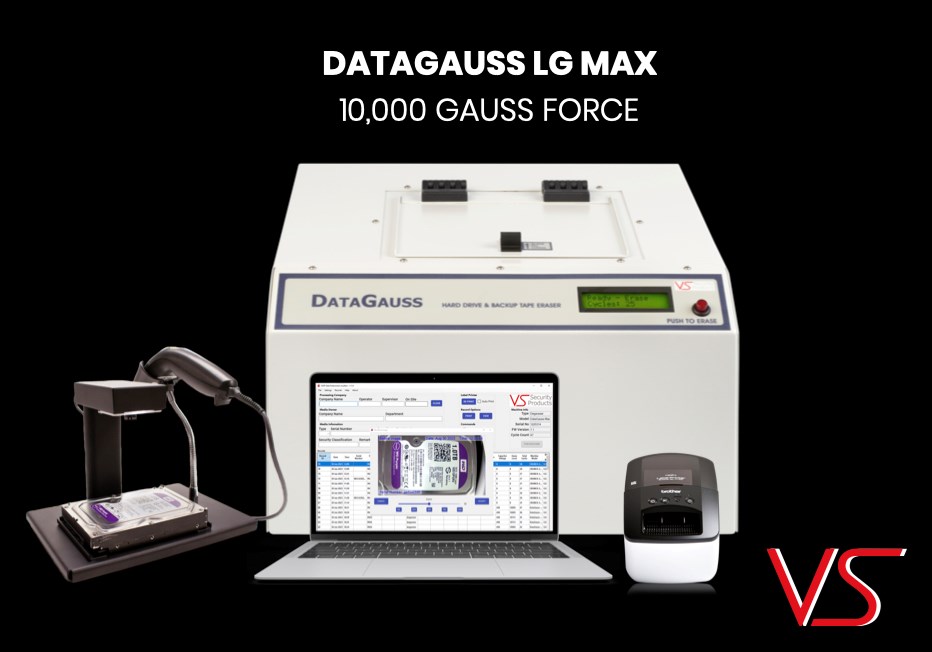
One more approach is degaussing, which makes use of a powerful magnetic area to interfere with the magnetic domains on storage space devices, successfully getting rid of the data. This approach is especially efficient for magnetic media yet is not relevant to solid-state drives.
Physical damage is another robust approach, squashing or involving the shredding of storage gadgets. This technique guarantees that data healing is essentially impossible, making it optimal for extremely sensitive information.
Last but not least, file encryption can work as a corresponding approach to data elimination. By securing information before deletion, organizations can include an added layer of safety and security, ensuring that also if residues are recouped, they remain unattainable without the decryption secret. Each technique should be chosen based on the level of data sensitivity and the details safety and security needs of the organization.
Legal Conformity and Data Safety
Organizations have to navigate an intricate landscape of legal requirements associated with information protection, specifically after applying approaches of information elimination. Various laws, such as the General Information Security Law (GDPR) and the Medical Insurance Portability and Liability Act (HIPAA), enforce rigorous guidelines on exactly how companies have to deal with and get rid of of sensitive data. Failing to adhere to these laws can result in considerable lawful effects, consisting of considerable penalties and reputational damage.
Data read more devastation processes should be diligently documented to demonstrate compliance with relevant regulations and requirements. This paperwork not just acts as proof of adherence to legal obligations however also highlights a dedication to protecting delicate details. Organizations ought to additionally establish clear plans pertaining to data retention and damage timelines, making sure that information is not held longer than necessary.

Moreover, routine audits and evaluations of information devastation methods are vital to maintain conformity and adapt to evolving legal frameworks (data destruction). By proactively dealing with lawful requirements, organizations can minimize dangers related to data breaches and demonstrate their commitment to information protection. Eventually, focusing on legal compliance in Extra resources information destruction processes is not simply a governing obligation, but an essential element of a robust information safety approach
Effect On Business Credibility
The reputation of a company can be dramatically influenced by its strategy to data destruction and administration. In today's digital landscape, where information breaches can take place anytime, the failure to properly get rid of sensitive information can result in serious effects. Organizations that improperly handle information devastation risk subjecting private consumer info, which not just breaks personal privacy laws however likewise erodes trust amongst clients and stakeholders.
A damaged online reputation can lead to reduced consumer commitment, as customers come to be reluctant to involve with a business that has shown carelessness in shielding their information. Adverse promotion bordering an information violation can have a lasting impact, as potential customers may be hindered by the perceived absence of protection. This can lead to a direct decrease in profits and market share.
Furthermore, services that prioritize data damage as component of their safety technique can boost their reputation try these out by showcasing their commitment to securing sensitive info. By taking on rigid data management practices, companies can not only alleviate risks however also position themselves as reliable entities in their particular sectors, thereby strengthening their overall brand name picture.
Finest Practices for Secure Disposal
Executing ideal methods for safe and secure disposal of data is necessary for reducing dangers related to information breaches and making sure compliance with personal privacy laws. Organizations needs to embrace a thorough information disposal plan that details procedures for both digital and physical data damage.
For physical information storage devices, such as disk drives, shredding or degaussing is recommended to stop information recuperation. Additionally, companies need to keep a chain of custody paperwork throughout the disposal procedure, making sure responsibility and traceability of disposed items.
For electronic information, making use of software application that adheres to sector criteria for information cleaning is vital. This software needs to overwrite existing information several times, making recovery practically impossible. It is additionally vital to verify the effectiveness of the data damage procedure via audits or third-party analyses.
Educating staff members on safe disposal methods includes another layer of protection, as human mistake can usually bring about information direct exposure. Regularly reviewing and upgrading disposal plans ensures alignment with developing regulations and technical improvements. By carrying out these ideal practices, companies can substantially minimize the danger of unapproved information accessibility and enhance their overall information security method.
Conclusion
In conclusion, information destruction is a basic element of computer safety services that makes sure the protection of secret information from unapproved access. Carrying out effective techniques of information obliteration, adhering to lawful compliance, and identifying the effect on company credibility are important components of a thorough data protection approach. By embracing best techniques for safe and secure disposal, companies can cultivate depend on with customers and secure sensitive data, ultimately contributing to a much more secure electronic landscape.
In an age where data violations are increasingly typical, the relevance of efficient data destruction can not be overstated.Data devastation is a crucial part of computer security that entails the irreversible removal of information from storage devices to protect against unapproved gain access to and possible information breaches. Organizations needs to likewise develop clear plans pertaining to data retention and devastation timelines, guaranteeing that data is not held longer than necessary.
By proactively attending to lawful requirements, companies can reduce dangers connected with information breaches and show their dedication to information safety and security (data destruction). Ultimately, prioritizing legal compliance in information damage procedures is not simply a governing obligation, yet an essential aspect of a durable information security method
Comments on “Finest Practices for Data Destruction to Strengthen Your Cyber Security Framework”